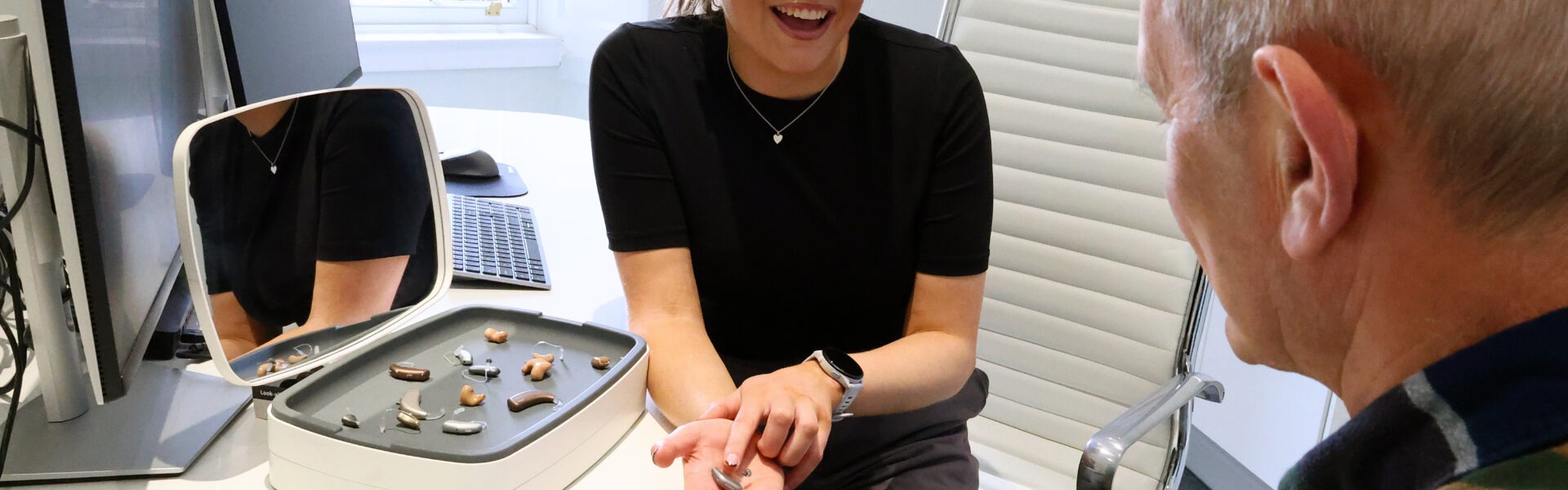
Honest answers from an experienced audiologist in Edinburgh
Article summary
Many people have concerns about their hearing or hearing aids that they may never mention during an appointment. Instead, they quietly search online, wondering if anyone else feels the same way.
At Fairfield Hearing in Edinburgh, we’ve spent more than 30 years helping people of all ages with hearing loss, tinnitus and hearing health. During that time we’ve answered thousands of questions, from practical concerns about hearing aids to worries about appearance, confidence and what hearing loss might mean for the future.
This article brings together some of the questions we hear most often. We hope the answers help put your mind at ease. If there’s something you don’t see covered here, our experienced audiologists are always happy to help.
15 Questions about Hearing Aids and Hearing People Often Ask, But Don’t Always Say Out Loud
1. Will everyone notice I’m wearing hearing aids?
Probably not. How much time do you spend looking at other people’s ears? Modern hearing aids are much smaller and more discreet than many people imagine. Most sit neatly behind the ear with a very fine tube or wire, while others fit almost entirely inside the ear canal. In reality, people are usually far more aware of their own hearing aids than anyone else is. Friends and family are often simply pleased that conversations become easier again.
2. Will wearing hearing aids make my hearing worse?
No. Hearing aids do not damage your hearing or make hearing loss progress more quickly. They simply amplify sounds to match your level of hearing loss. Your hearing may naturally change over time because of age or an underlying condition, but this isn’t caused by wearing hearing aids. Having regular hearing assessments helps ensure your devices continue to provide the right level of support.
3. Do hearing aids make your hearing lazy?
This is a very common myth, but there is no evidence that hearing aids make your ears or brain “lazy”. In fact, untreated hearing loss can mean the brain receives less sound information over time. Hearing aids help keep you engaged with conversations and everyday sounds, allowing your brain to continue processing speech more effectively.
4. Will people think I’m old if I wear hearing aids?
Hearing loss affects people of every age. It can develop because of noise exposure, genetics, illness or injury as well as ageing. Modern hearing aids are increasingly viewed in the same way as glasses, something that helps you function at your best. Most people notice confidence, communication and quality of life long before they notice the hearing aids themselves.
5. Am I too young to need hearing aids?
There’s no such thing as too young of course. Although many children and young people wear hearing iads, many people begin wearing hearing aids in their 30s, 40s or 50s. Musicians, construction workers, military veterans and anyone exposed to loud noise can experience hearing loss earlier than expected. If a hearing assessment shows you would benefit from hearing aids, your age shouldn’t prevent you from getting the support you need.
6. Will hearing aids make everything sound too loud?
When you first start wearing hearing aids, everyday sounds may seem unusually noticeable because your brain is hearing them again after a period of reduced hearing. This adjustment is completely normal and usually settles within a few weeks. Modern hearing aids automatically adapt to different listening environments, helping speech sound clear without making everything uncomfortably loud.
7. Can hearing aids cure tinnitus?
Hearing aids cannot cure tinnitus, but they can often reduce how noticeable it becomes. By improving access to everyday sounds, they may help take attention away from ringing or buzzing. Some hearing aids also include dedicated tinnitus support programmes. An experienced audiologist can assess whether hearing aids are likely to help your particular symptoms.
8. Will I still be able to wear glasses?
Yes. Millions of people comfortably wear both glasses and hearing aids every day. Modern behind-the-ear hearing aids are designed to sit alongside spectacle arms without causing problems. During a fitting appointment, an audiologist can make small adjustments to ensure both are comfortable, even if you wear glasses all day.
9. What if I don’t get on with hearing aids?
It’s perfectly normal to need a little time to adjust. Hearing aids introduce sounds that you may not have heard clearly for years, and your brain needs time to adapt. Regular follow-up appointments allow settings to be fine-tuned to suit your lifestyle. Most people find that any early concerns improve as they become accustomed to wearing them.
10. Do hearing aids whistle all the time?
No. The constant whistling often associated with hearing aids is largely a thing of the past. Modern devices use sophisticated technology to detect and reduce feedback before it becomes noticeable. If a hearing aid whistles regularly, it usually indicates that it needs adjusting or servicing rather than being a normal part of wearing it.
11. Can I wear hearing aids while exercising?
In most cases, yes. Many hearing aids are designed to cope with everyday movement, perspiration and active lifestyles. If you regularly run, cycle or go to the gym, your audiologist can recommend hearing aids that are particularly suitable. It’s still sensible to remove them before swimming or showering unless your audiologist advises otherwise.
12. Are hearing aids difficult to use if I’m not good with technology?
Not at all. While many hearing aids can connect to smartphones and televisions, they don’t have to. Most work automatically, adjusting to different listening situations without needing any input from the wearer. If you’d like to use additional features, your audiologist can explain them clearly and help you decide how simple or advanced you’d like your hearing aids to be.
13. Is hearing loss just something I have to put up with?
No. Although hearing loss becomes more common with age, that doesn’t mean you have to live with communication difficulties. Modern hearing assessments can identify the type and degree of hearing loss, allowing appropriate treatment to be recommended. For many people, hearing aids significantly improve conversations, confidence and enjoyment of everyday life.
14. Will hearing aids make me hear perfectly again?
Hearing aids cannot restore natural hearing, but they can make speech clearer, reduce listening effort and improve communication in many everyday situations. Results depend on the type of hearing loss and the listening environment. An experienced audiologist will explain what improvements you can realistically expect and help you get the best possible outcome.
15. How do I know if it’s finally time to have my hearing checked?
If you’re regularly asking people to repeat themselves, turning the television up, struggling in restaurants or avoiding conversations because they’re becoming difficult, it’s worth arranging a hearing assessment. Many people wait several years before seeking help. Having your hearing tested doesn’t commit you to wearing hearing aids, but it does give you clear information about your hearing health and the options available.

The Fairfield Hearing team outside the Edinburgh clinic, delivering trusted independent audiology services including hearing tests, hearing aids, tinnitus assessments and ear wax removal.
If You’re Worried About Your Hearing
Many people delay seeking help because they’re worried about what a hearing test might reveal or because they’re concerned about wearing hearing aids. In reality, today’s hearing technology is more discreet, comfortable and effective than ever before.
If you have questions about your hearing, tinnitus or hearing aids, speaking to an experienced audiologist can provide reassurance as well as practical advice. At Fairfield Hearing in Edinburgh, we take time to understand your concerns and explain your options clearly, without pressure or obligation.
Whether you eventually choose hearing aids or simply want the reassurance of a professional assessment, having accurate information is always the best place to start.
About the Author

Stephen Fairfield BSc (Hons) Audiology – Audiologist, Fairfield Hearing, Edinburgh
Stephen Fairfield is the founder of Fairfield Hearing and one of Scotland’s most respected independent hearing care professionals. With more than 35 years of experience helping people improve their hearing, he has built a reputation for combining clinical expertise with a compassionate and highly personalised approach to patient care.
A former Chairman of the Association of Independent Hearing Healthcare Professionals (AIHHP), Stephen has played an active role in supporting professional standards within independent audiology. He is regularly invited to comment on hearing health issues and has appeared in the media discussing hearing loss, hearing technology and the importance of early intervention.
Throughout his career, Stephen has remained committed to a simple principle: hearing care should be about people first. While modern hearing technology plays an important role, he believes that listening to patients, understanding their concerns and providing ongoing support are equally important to achieving successful outcomes.
At Fairfield Hearing, Stephen leads a team dedicated to delivering independent hearing care that places trust, expertise and long-term patient relationships at the heart of everything they do.
You may also like...
-
 Monday, July 20, 2026
Difficulty Hearing in Church
People tell us about the difficulties they experience hearing in church… and other large indoor spaces. They may enjoy the music but miss parts of the sermon, find spoken responses difficult to follow or notice their tinnitus more during quiet moments. As both an Edinburgh audiologist and churchgoer, Stephen Fairfield is often asked why this happens. The good news is that there are clear reasons for these challenges and, in many cases, simple ways to make hearing in church much easier.
-
 Thursday, November 6, 2025
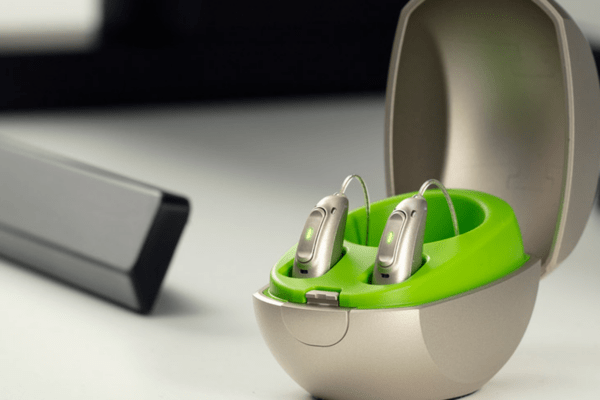
Frustrated with hearing aid batteries? Rechargeable batteries could be the game-changer you have been waiting for.
If you wear hearing aids, or you’ve been putting off getting them, there’s a good chance traditional batteries have played a part in your frustration. Maybe the battery ran out mid-conversation or mid-concert. Maybe you’ve had to carry spares everywhere. Or maybe the idea of constantly replacing those fiddly little cells has made you think, “Is it really worth the hassle?”
We get it. And you’re not alone. -
 Monday, March 9, 2026
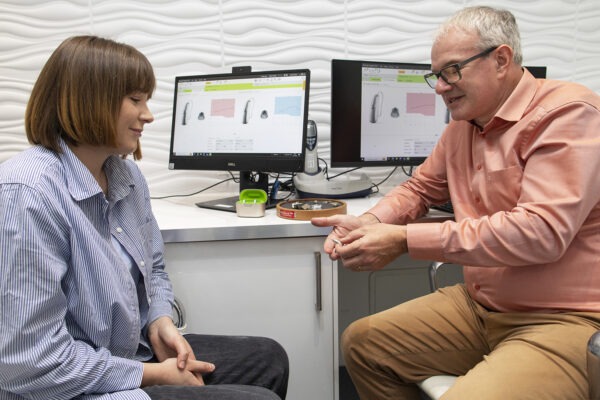
Feeling Uncertain about Hearing Aids?
Many people feel hesitant about wearing hearing aids. Understanding those concerns, and knowing expert support is available, makes the decision far more comfortable.