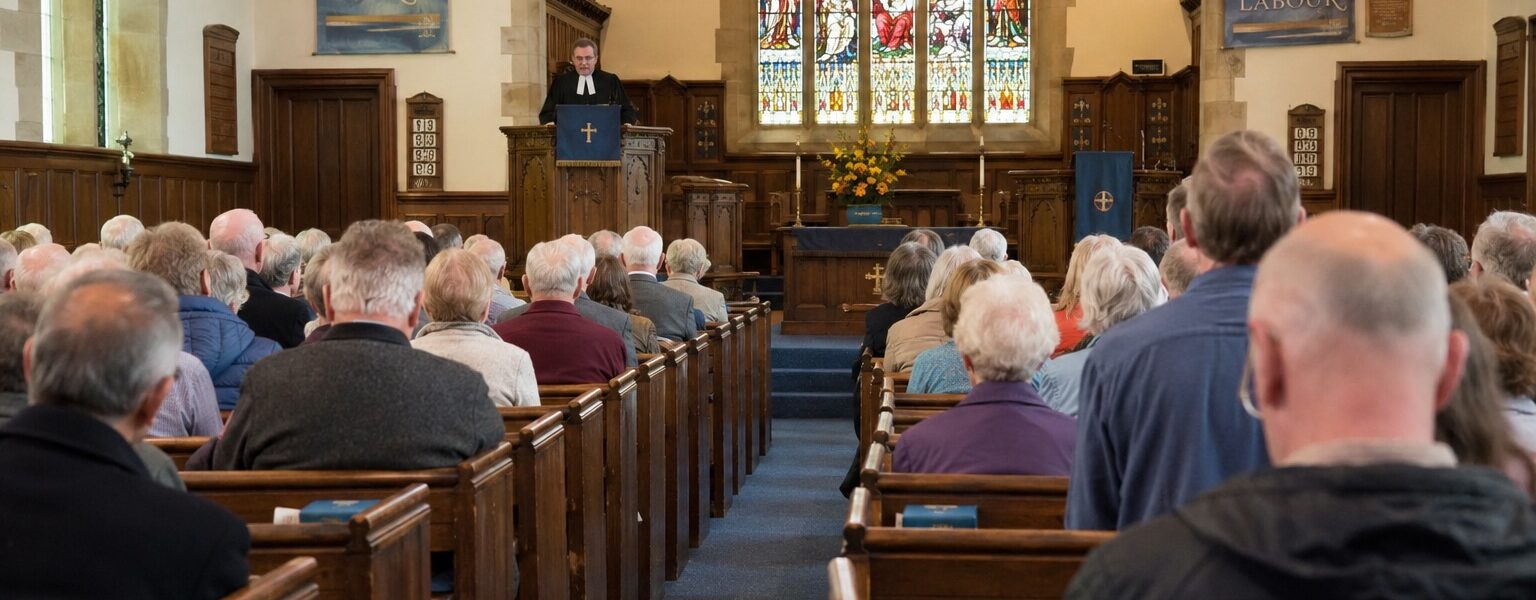
Many people with hearing loss tell us they can hear perfectly well in most places, (we published an article recently about the difficulties people experience hearing in restaurants) yet struggle to follow a church service. They may enjoy the music but miss parts of the sermon, find spoken responses difficult to follow or notice their tinnitus more during quiet moments. As both an Edinburgh audiologist and churchgoer, Stephen Fairfield is often asked why this happens. The good news is that there are clear reasons for these challenges and, in many cases, simple ways to make hearing in church much easier.
Why Is It So Difficult Hearing in Church? An Audiologist Explains
“I can hear people talking in most places, so why do I struggle to hear in church?”
It’s a great question and one that many people with hearing loss experience. Whether it’s following a sermon, hearing a Bible reading or joining in with prayers, churches can present unique listening challenges.
The encouraging news is that the problem isn’t usually your hearing aids. More often, it’s the building itself.
Why are churches difficult places to hear?
Churches are beautiful buildings, but they were never designed with modern speech clarity in mind.
Many have:
- High vaulted ceilings
- Stone walls
- Wooden floors and pews
- Large open spaces
- Very few soft furnishings
All of these surfaces reflect sound rather than absorb it.
This creates reverberation, sometimes called echo. While this makes music and choral singing sound rich and uplifting, it can make spoken words much harder to understand.
Each word lingers for a fraction of a second, blending into the next. For someone with hearing loss, those subtle speech sounds can become difficult to distinguish.
Why can I hear the choir but not the sermon?
This surprises many people.
You may find the choir sounds wonderful, yet you struggle to understand the person giving the sermon.
Music and speech are processed differently by the brain.
Speech depends on hearing small, high-frequency consonants such as s, f, t and th. These are often the first sounds affected by age-related hearing loss.
Music is generally more forgiving, allowing you to enjoy the melody even if some detail is lost.
Distance matters
In many churches, the speaker may be standing several metres away.
Even with excellent hearing aids, speech becomes harder to understand as distance increases.
If the speaker turns away from the congregation or moves around during the service, hearing can become even more difficult.
Where possible, sitting closer to the front can make a noticeable difference.
Why does my tinnitus seem louder in church?
Some people notice their tinnitus more during moments of quiet prayer or reflection.
This is perfectly understandable.
Tinnitus often becomes more noticeable when there is very little background sound. During quiet moments, your brain has fewer external sounds to focus on, making the tinnitus seem more prominent.
Many people notice exactly the same thing when reading quietly, meditating or trying to fall asleep.
Can hearing aids help?
Yes, but it’s important to have realistic expectations.
Modern hearing aids can significantly improve speech understanding, but they cannot remove reverberation from a large stone building.
They work best when:
- They are programmed correctly.
- They’re worn consistently.
- The speaker is reasonably close.
- Background noise is limited.
If you’re finding church particularly difficult, it’s worth mentioning this during your next hearing assessment. Your audiologist may be able to adjust your hearing aids or recommend settings that perform better in large, echoing spaces.
Does your church have an induction loop?
Many churches have an induction hearing loop, although not everyone knows how to use one.
An induction loop sends the sound from the church’s microphone system directly to compatible hearing aids using a telecoil.
Instead of picking up echoes around the building, your hearing aids receive a much clearer signal from the speaker.
If your hearing aids include a telecoil, ask your audiologist how to activate it. If you’re unsure whether your church has a hearing loop, simply ask one of the church wardens or welcome team.
Simple ways to improve Hearing in Church
A few small changes can often make a surprising difference.
Try to:
- Sit closer to the front.
- Choose a seat with a clear view of the speaker’s face.
- Wear your hearing aids throughout the service.
- Ask whether an induction loop is available.
- Have your hearing aids checked regularly.
- Mention church services specifically when discussing your hearing needs with your audiologist.
Hearing well helps you stay connected
For many people, church is far more than a place of worship and hearing in church is more than simply hearing the serive.
It’s somewhere to meet friends, enjoy music, share conversations and remain part of a community.
If hearing difficulties are making you feel disconnected during services or social events afterwards, don’t assume it’s simply something you have to live with.
The right advice, well-adjusted hearing aids and the correct assistive technology can often make a significant difference.
Frequently Asked Questions – Hearing in Church
Why is it harder to hear in church than in other buildings?
Churches often have high ceilings, stone walls and large open spaces that create reverberation. While these acoustics enhance music, they reduce speech clarity. People with hearing loss may find it much harder to distinguish individual words, particularly if the speaker is some distance away or there is background noise from the congregation.
Why can I hear singing but struggle to understand sermons?
Music and speech are processed differently by the brain. Speech relies on hearing fine consonant sounds that are commonly affected by hearing loss. Music remains enjoyable even if some detail is missing, whereas understanding spoken words requires greater clarity and precision.
Why does my tinnitus seem more noticeable during church services?
Tinnitus often becomes more noticeable in quiet environments because there are fewer external sounds competing for your attention. Silent prayer, moments of reflection and pauses during a service may make tinnitus seem louder, even though it hasn’t actually changed.
Will better hearing aids solve the problem completely?
Modern hearing aids can improve hearing in church significantly, but they cannot eliminate the effects of echo in large buildings. The best results come from well-programmed hearing aids, regular follow-up appointments and using additional technology such as induction hearing loops where available.
What is an induction hearing loop?
An induction hearing loop is a system installed in many churches and public buildings. It sends sound directly from the microphone system to compatible hearing aids fitted with a telecoil, reducing the effects of distance and reverberation. Many people find this provides much clearer speech than listening through loudspeakers alone.
How can an audiologist help if I struggle to hear in church?
If church is one of the places where you notice hearing difficulties, tell your audiologist. Explaining the environments you regularly visit helps them fine-tune your hearing aids for your lifestyle. Small programming adjustments may improve speech understanding in challenging listening situations.
I attend church regularly. Should I mention this during my hearing assessment?
Absolutely. Your hearing aids should be tailored to your everyday life, whether that includes church services, concerts, family gatherings or busy cafés. The more your audiologist understands about the places that matter to you, the better they can personalise your hearing care.
How can Fairfield Hearing help me hear more clearly in church?
At Fairfield Hearing, we take time to understand the situations that matter most to you. If church services have become difficult to follow, we’ll assess your hearing, discuss how and where you use your hearing aids and make personalised recommendations to help you hear with greater confidence.
Why choose Fairfield Hearing for ongoing hearing care?
Hearing care is about much more than fitting hearing aids. At Fairfield Hearing, we believe in building long-term relationships with our patients, providing ongoing support, regular reviews and expert advice so your hearing aids continue to perform at their best as your hearing and lifestyle evolve.
About the Author
Stephen Fairfield BSc (Hons) Audiology, RHAD
Stephen Fairfield is the founder and lead audiologist at Fairfield Hearing in Edinburgh. As the ex Chair of AIHHP and with many years of clinical experience, he provides independent, evidence-based hearing care tailored to each patient’s individual needs. As an active churchgoer himself, Stephen understands the listening challenges that churches and other reverberant spaces can present.
His approach combines clinical expertise with practical, real-world advice to help patients hear more confidently in the places that matter most.
You may also like...
-
 Tuesday, April 21, 2026
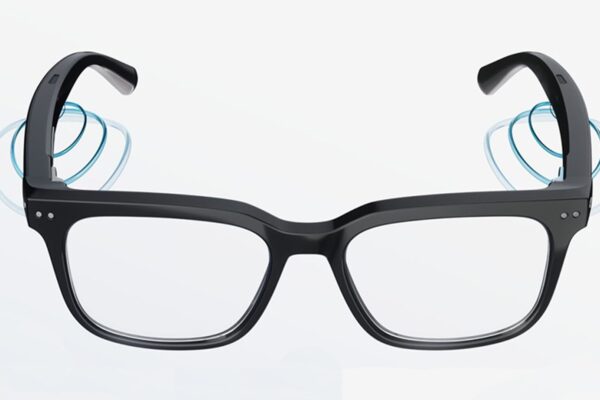
Nuance Audio Glasses: A Stylish Fusion of Vision and Hearing Technology
In recent years, wearable technology has blurred the lines between fashion, vision correction, and health aids.
-
 Friday, March 20, 2026
Why Reviews Really Make a Difference
In this blog, our founder and leading audiologist Stephen Fairfield reflects on why customer reviews matter and shares a recent heartfelt comment from a long-standing patient. He explains how time, trust, and clinical expertise sit at the centre of everything Fairfield Hearing do.
-
 Tuesday, April 21, 2026
Trouble Hearing in Noisy Places – you are not alone
At Fairfield Hearing we’re dedicated to helping people to hear better. So we were interested in a recent study that investigated the hearing health of adults in Britain.