
Many people first recognise hearing loss during social gatherings where background noise makes conversation harder to follow. Untreated hearing loss can lead to withdrawal from social interaction, but modern hearing technology and professional support can significantly improve communication, confidence, and quality of life.
 Summary
Family meals and social event lead to lively conversation and noise. However, busy environments can make hearing difficulties more noticeable. Many people first recognise hearing loss during social gatherings where background noise makes conversation harder to follow. Untreated hearing loss can lead to withdrawal from social interaction, which research links with reduced wellbeing and increased cognitive strain. Modern hearing technology and professional support can significantly improve communication, confidence, and quality of life. If hearing conversations feels more difficult than it once did, a simple hearing assessment may help you stay fully involved in the moments that matter.
Why gatherings can reveal hearing difficulties
Many of us look forward to spending time with family and friends. Social gatherings with children and grandchildren create moments that bring people together. Yet these occasions can also highlight hearing difficulties that may have developed gradually over time.
Hearing loss rarely happens suddenly. In most cases, it develops slowly, which means people often adapt without realising the extent of the change. A busy family meal or a crowded church can make hearing challenges more noticeable. Competing sounds such as multiple conversations, background music, clattering dishes, or a television in another room can make speech harder to follow.
Early signs of hearing loss during conversation
A common early sign of hearing loss is the feeling that others are mumbling or not speaking clearly. In reality, speech may sound less distinct because the ear is no longer detecting certain frequencies effectively. Consonant sounds such as “s”, “f”, and “th” are often the first to become difficult to hear, which can make words seem blurred together.
Social situations can therefore become tiring. Concentrating intensely in order to follow conversation requires greater mental effort. Research has shown that untreated hearing loss is associated with increased listening fatigue and may contribute to social withdrawal. Studies published in journals including The Lancet have identified hearing loss as one of the modifiable risk factors associated with cognitive decline in later life.
How hearing loss can affect social connection
Family occasions such as Christmas and Easter can be an important moment of awareness. Sometimes relatives notice that a loved one is asking people to repeat themselves more often, turning up the television volume, or becoming quieter during group conversations. Others may notice their own frustration when following discussion becomes more difficult than it once was.
It is important to recognise that hearing loss does not simply affect the ears. Communication plays a central role in relationships, confidence, and independence. When hearing becomes more difficult, people may begin to withdraw from conversation without intending to do so. Over time, this can lead to feelings of isolation.
Modern hearing aids offer advanced support
The encouraging news is that modern hearing aids are highly sophisticated medical devices. Advances in digital processing allow them to distinguish speech from background noise more effectively than ever before. Many devices can automatically adapt to changing environments, whether in a busy restaurant, a place of worship, or a quiet living room.
Hearing technology today can also connect wirelessly to phones, televisions, and other devices, allowing clear sound without the need for headphones. When fitted and programmed by experienced audiologists, hearing aids can be tailored precisely to the individual’s hearing profile.
When to consider a hearing assessment
At Fairfield Hearing in Edinburgh, many patients first seek advice after experiencing difficulty during family occasions. A hearing assessment is straightforward and provides a clear understanding of hearing ability across different sound frequencies. Where support is recommended, solutions can be personalised to lifestyle needs and listening environments.
As Easter brings families together, it can be helpful to remain aware of those who may be finding communication more difficult. Small adjustments such as reducing background noise, speaking clearly, and ensuring good lighting for lip reading can make conversations easier for everyone.
Most importantly, if hearing feels more challenging than it once did, support is available. With the right care and modern technology, many people find they can reconnect fully with conversations and enjoy social occasions with renewed confidence.
Fairfield Hearing has helped many people improve their hearing and regain ease in everyday communication. Taking the first step towards better hearing can make a meaningful difference not only at Easter, but throughout the year.
To arrange a professional home visit hearing test or hearing aid consultation, contact Fairfield Hearing:
Phone: 0131 378 5800
Email: [email protected]
Frequently Asked Questions
How can social gatherings highlight hearing loss?
Social gatherings often involve background noise, multiple conversations, and changes in speaking distance, all of which make listening more demanding. These environments require the brain to separate speech from competing sounds. When hearing ability has reduced, speech can become less clear, especially higher frequency consonants. Many people first notice difficulty understanding conversation in noisy settings, which is why occasions such as family meals or celebrations can reveal previously unnoticed hearing changes.
Why do people with hearing loss sometimes withdraw from conversation?
Listening with reduced hearing requires greater mental effort, which can lead to fatigue. Over time, some individuals may avoid participating fully in conversations because it becomes tiring or frustrating to ask others to repeat themselves. Research has linked untreated hearing loss with increased risk of social isolation, reduced confidence, and lower wellbeing. Identifying hearing changes early can help maintain active engagement in social interaction and support overall quality of life.
Is hearing loss linked to cognitive decline?
Several large studies, including research referenced in The Lancet Commission on Dementia Prevention, have identified untreated hearing loss as a potentially modifiable risk factor associated with cognitive decline. The proposed explanation is that increased listening effort may place additional strain on the brain, while reduced social interaction may affect mental stimulation. Addressing hearing loss may therefore support communication, mental activity, and long-term wellbeing.
How do modern hearing aids help in noisy environments?
Modern hearing aids use digital processing to analyse sound thousands of times per second. Many devices can distinguish speech from background noise and automatically adjust amplification accordingly. Directional microphones can prioritise sounds coming from in front of the listener, which is particularly helpful in restaurants or group conversations. When fitted by an audiologist, hearing aids can be programmed to match the individual’s hearing profile, improving clarity and listening comfort.
When should someone consider a hearing assessment?
A hearing assessment may be helpful if speech sounds unclear, conversations seem harder to follow, or television volume needs to be increased more than before. Other signs include difficulty hearing in noisy environments or feeling tired after listening for long periods. Hearing tests are non-invasive and provide useful information about hearing sensitivity across frequencies. Early assessment allows appropriate support to be considered before communication difficulties begin to affect daily life.
Can hearing aids improve quality of life?
Many people report improved confidence and greater ease in social situations after addressing hearing loss. Studies have shown that better hearing can support communication, relationships, and participation in everyday activities. Modern hearing devices are discreet and designed for comfort, often offering connectivity with phones and other technology. The benefits vary between individuals, but appropriate support can make listening less effortful and help people remain engaged in conversations that matter to them.
About the author and our chief audiologist
Stephen Fairfield BSc (Hons) Audiology – Audiologist, Fairfield Hearing (Edinburgh)
Stephen Fairfield is a fully qualified audiologist and founder of Fairfield Hearing in Edinburgh. He provides independent hearing assessments, hearing aid fittings, and specialist domiciliary (home visit) audiology services across Edinburgh and Scotland.
His clinical approach focuses on careful assessment, clear explanation, and practical hearing solutions tailored to individual listening needs. All assessments are carried out personally by Stephen to ensure continuity of care, clinical accuracy, and professional accountability.
- BSc (Hons) in Audiology
- Clinical training in diagnostic hearing assessment and hearing aid rehabilitation
- Extensive experience providing domiciliary (home visit) hearing care
- Expertise in modern digital hearing aid programming and rechargeable hearing aid technology
- Patient-focused appointments with time for questions and clear next steps
You may also like...
-
 Monday, July 20, 2026
Difficulty Hearing in Church
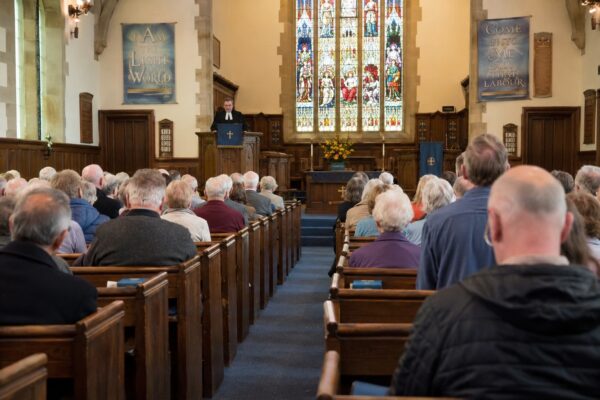
People tell us about the difficulties they experience hearing in church… and other large indoor spaces. They may enjoy the music but miss parts of the sermon, find spoken responses difficult to follow or notice their tinnitus more during quiet moments. As both an Edinburgh audiologist and churchgoer, Stephen Fairfield is often asked why this happens. The good news is that there are clear reasons for these challenges and, in many cases, simple ways to make hearing in church much easier.
-
 Monday, March 9, 2026
Feeling Uncertain about Hearing Aids?
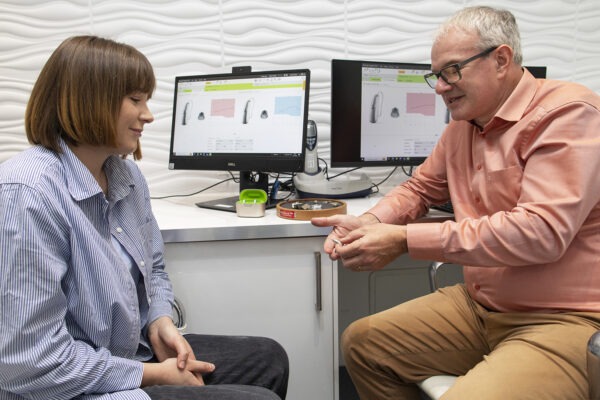
Many people feel hesitant about wearing hearing aids. Understanding those concerns, and knowing expert support is available, makes the decision far more comfortable.
-
 Tuesday, May 28, 2024
Stephen Fairfield advises on a new system for hearing loss detection
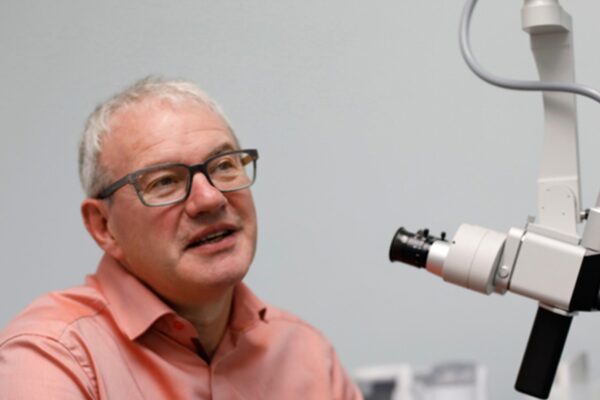
An innovative new screening tool for hearing loss, and how it impacts on people’s lives, has been made possible thanks to investors in Edinburgh and Fairfield Hearing.