
Tinnitus is common and can be deeply distressing, but a professional hearing assessment and personalised management plan can help many people reduce its impact and regain confidence.
What is tinnitus?
Tinnitus is the experience of hearing a sound when there is no matching external source. It is often described as ringing in the ears, but it can also sound like buzzing, humming, hissing, clicking, pulsing or whistling.
For some people, tinnitus is mild and comes and goes. For others, it can be constant, intrusive and exhausting. It may affect sleep, concentration, conversation, work, family life and emotional wellbeing.
At Fairfield Hearing in Edinburgh, we understand that tinnitus is very much more than just an unwanted sound. For many people, tinnitus becomes a daily burden. It can be frightening when it first appears, especially if no one has explained what is happening or what can be done to help.
How common is tinnitus in the UK and Scotland?
Tinnitus is very common. RNID reports that the latest research suggests around one in seven adults have tinnitus, which means more than 7 million adults in the UK are affected.
Tinnitus can happen at any age, although it becomes more common with age and is often linked with hearing loss. It can also follow noise exposure, ear problems, wax build-up, illness, stress or no obvious trigger at all.
Why tinnitus can be so difficult to manage
One of the hardest things about tinnitus is that other people cannot usually hear it. This can leave patients feeling isolated or misunderstood.
Some people cope well during the day but struggle at night, when the world becomes quiet and the tinnitus seems louder. Others find that stress, tiredness or anxiety makes the sound feel more intrusive. This can create a cycle where tinnitus affects sleep and mood, then poor sleep and stress make the tinnitus harder to manage.
For a smaller number of people, tinnitus can be terribly debilitating. It can affect confidence, mental health and quality of life. That is why proper assessment and support matter. Being told to simply live with it is rarely helpful. People need explanation, reassurance and practical ways forward.
Is there a cure for tinnitus?
There is currently no single proven cure that reliably removes tinnitus for everyone. That can be disappointing to hear, but it certainly doesn’t mean nothing can be done.
Tinnitus management has improved greatly. The aim is often to reduce the impact of tinnitus, make it less intrusive and help the brain place less importance on the sound. For many patients, the right combination of hearing care, sound support, counselling style advice and practical strategies can make a meaningful difference.
Research into tinnitus continues in Scotland and around the world. Scientists and clinicians are studying the brain, hearing pathways, sound therapy, psychological support, digital tools and other approaches. The fact that so much research is taking place reflects how significant tinnitus is for public health and quality of life.
Why a hearing assessment is important if you have tinnitus
A professional hearing assessment is one of the most useful first steps for tinnitus. This is because tinnitus is often linked with hearing loss, even when the hearing change is not obvious to the patient.
At Fairfield Hearing, a tinnitus assessment may include a detailed conversation about your symptoms, your hearing history, your lifestyle, your general ear health and the situations where tinnitus bothers you most. Hearing tests can help identify whether there is an underlying hearing loss and whether hearing aids, sound support or other management options may help.
An ear examination is also important. Sometimes symptoms such as blocked ears, muffled hearing and tinnitus may be connected with ear wax or another ear health issue. Where appropriate, Fairfield Hearing can advise on safe next steps.
Can hearing aids help tinnitus?
Hearing aids can be helpful for many people who have tinnitus and hearing loss. They do not cure tinnitus, but they can reduce listening effort, improve communication and make everyday sound easier to access.
When the brain receives more useful sound from the world around it, tinnitus may feel less dominant. For some patients, improving hearing also reduces stress and fatigue, which can make tinnitus easier to manage.
Modern hearing aids are small, discreet and carefully programmed to match individual hearing needs. Some devices also include sound support features that can be considered as part of a tinnitus management plan. The right approach depends on the hearing test results, the nature of the tinnitus and the patient’s goals.
What tinnitus support does Fairfield Hearing provide?
Fairfield Hearing provides tinnitus assessments and tinnitus management support in Edinburgh. Our approach is always calm, personal and practical. The aim is to understand what you are experiencing, assess your hearing properly and talk through the options that may help.
Over many years, the team at Fairfield Hearing has helped many hundreds of people with tinnitus of all ages. Some patients need reassurance and advice. Others need hearing tests, hearing aids, sound therapy support, wax removal or ongoing management.
There is no one-size-fits-all answer. The best tinnitus care starts with listening to the person, not just testing the ears.
The mental health side of tinnitus matters too
Tinnitus can be emotionally draining. Patients may feel anxious, low, frustrated or frightened, especially when tinnitus first begins or suddenly becomes worse.
At Fairfield Hearing, we recognise that coming to terms with tinnitus is part of the care process. Clear explanation can reduce fear. A structured management plan can give patients a sense of control. Support from an experienced audiologist can help patients understand what is happening and what can be done next.
If tinnitus is causing severe distress, panic, depression or thoughts of self-harm, urgent medical or mental health support should be sought. Audiology support can be valuable, but severe emotional distress should never be ignored.
When should you get tinnitus checked?
You should arrange a hearing assessment if tinnitus is persistent, worsening, affecting sleep, interfering with conversation or making daily life harder.
You should seek medical advice promptly if tinnitus is only in one ear, pulsing, linked with sudden hearing loss, dizziness, ear pain, discharge or neurological symptoms. These symptoms do not always mean something serious, but they do need proper assessment.
For many people, booking a tinnitus assessment is a positive first step. It gives you information, reduces uncertainty and opens the door to practical help.
How Fairfield Hearing can help
Fairfield Hearing offers professional hearing assessments, tinnitus assessments, hearing aid advice, hearing aid fitting, ear wax removal and ongoing hearing care from its Edinburgh practice.
The focus is on honest advice, careful testing and long-term support. If hearing aids may help your tinnitus, this will be explained clearly. If another route is more appropriate, that will be discussed too.
Tinnitus can feel overwhelming, but you do not have to manage it alone. With the right assessment and support, many people find tinnitus becomes easier to understand, easier to manage and less disruptive to daily life.
Frequently Asked Questions
What is tinnitus and why do I hear ringing in my ears?
Tinnitus is the experience of hearing a sound when there is no external sound causing it. Many people describe it as ringing in the ears, but it can also sound like buzzing, hissing, humming or whistling. It may be linked with hearing loss, noise exposure, ear wax, stress or other ear health factors. A professional tinnitus assessment can help identify possible causes and guide suitable management.
How common is tinnitus in the UK?
Tinnitus is very common. RNID reports that around one in seven adults have tinnitus, affecting more than 7 million adults in the UK. It can affect people of different ages, but it becomes more common as people get older and is often associated with hearing loss. Because tinnitus varies so much, a hearing test is important if symptoms are persistent or affecting daily life.
Can tinnitus be cured?
There is currently no single proven cure that removes tinnitus for everyone. However, many people can be helped with the right tinnitus management plan. This may include hearing assessment, hearing aids where hearing loss is present, sound support, relaxation strategies and professional guidance. The aim is often to reduce the impact of tinnitus and help the brain respond to it differently.
Can hearing aids help with tinnitus?
Hearing aids can help some people with tinnitus, especially when hearing loss is also present. By improving access to everyday sounds, hearing aids can reduce listening strain and make tinnitus feel less dominant. Some modern hearing aids also include tinnitus sound support features. An audiologist can advise whether hearing aids are appropriate after a full hearing assessment.
Do I need a hearing test if I have tinnitus?
Yes, a hearing test is strongly recommended if tinnitus is persistent, new, worsening or affecting your quality of life. Tinnitus is often linked with hearing loss, even when the hearing change is subtle. A hearing assessment can check your ear health, measure your hearing and help determine whether hearing aids, wax removal, tinnitus management or further referral may be needed.
Can ear wax cause tinnitus?
Ear wax can sometimes contribute to blocked ears, muffled hearing and tinnitus. It is not the only cause, but it is one reason why an ear examination is useful. If wax is present and removal is clinically appropriate, microsuction ear wax removal may help relieve blocked sensations and improve hearing. If tinnitus continues afterwards, further hearing assessment may still be recommended.
Why does tinnitus seem worse at night?
Tinnitus often feels more noticeable at night because there is less background sound to compete with it. Tiredness, stress and anxiety can also make the brain focus more strongly on the tinnitus. Gentle background sound, relaxation techniques and better sleep routines may help. If night-time tinnitus is persistent or distressing, a tinnitus assessment can help create a more structured management plan.
Can stress make tinnitus worse?
Stress does not always cause tinnitus, but it can make tinnitus feel louder or harder to ignore. When the nervous system is alert, the brain may pay more attention to the sound. This can increase distress and listening fatigue. Tinnitus management often includes advice around relaxation, sleep, sound enrichment and reducing the emotional impact of tinnitus over time.
When should I worry about tinnitus?
Tinnitus should be checked if it is persistent, one-sided, pulsatile, sudden, linked with dizziness, ear pain, discharge or sudden hearing loss. These symptoms do not always mean something serious, but they should be assessed properly. If tinnitus is causing severe anxiety, depression or thoughts of self-harm, seek urgent medical or mental health support as well as audiology advice.
Where can I get tinnitus treatment in Edinburgh?
Fairfield Hearing provides tinnitus assessments and tinnitus management support in Edinburgh. The service can include hearing tests, ear examination, hearing aid advice, sound support guidance and practical strategies to reduce the impact of tinnitus. The aim is to understand your symptoms, identify any hearing loss and create a personalised plan to help you manage tinnitus more confidently.
About the Author
 Stephen Fairfield – Practice Founder
-
Stephen Fairfield is a highly experienced audiologist with qualifications in psychology and clinical audiology. He has helped patients across Edinburgh and Scotland improve their hearing through personalised, evidence-based care and long-term support. Stephen believes successful hearing care depends not only on excellent technology, but also on understanding each patient’s individual lifestyle, communication needs and confidence.
Fairfield Hearing provides independent hearing assessments, hearing aid fittings, microsuction ear wax removal, hearing protection and specialist home visit audiology services across Edinburgh and Scotland.
You may also like...
-
 Tuesday, April 21, 2026
Trouble Hearing in Noisy Places – you are not alone
At Fairfield Hearing we’re dedicated to helping people to hear better. So we were interested in a recent study that investigated the hearing health of adults in Britain.
-
 Tuesday, May 28, 2024
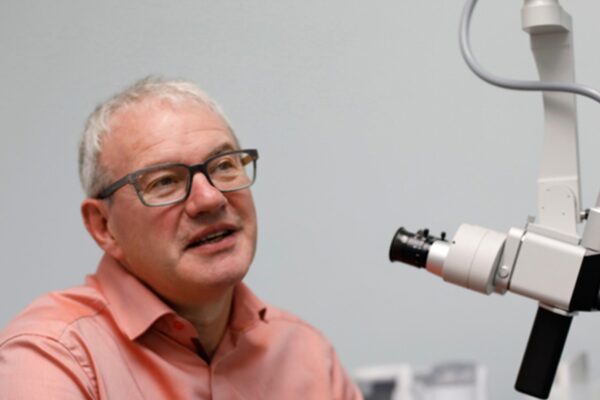
Stephen Fairfield advises on a new system for hearing loss detection
An innovative new screening tool for hearing loss, and how it impacts on people’s lives, has been made possible thanks to investors in Edinburgh and Fairfield Hearing.
-
 Tuesday, June 9, 2026
Tinnitus, Hearing Tests and Tinnitus Management in Edinburgh
Tinnitus is common and can be deeply distressing, but a professional hearing assessment and personalised management plan can help many people re...