
Summary of the article
As Scotland moves into summer festival season, many musicians, performers and music fans will be spending more time around loud live sound. From major events in Glasgow and Edinburgh to local gigs, rehearsals and outdoor concerts across Central Scotland, hearing protection should be part of the preparation.
This article explains why musicians need to protect their hearing, how professional filtered earplugs differ from basic foam plugs and how custom ear moulds support in-ear monitoring systems. It also explains how Fairfield Hearing in Edinburgh helps musicians, singers, sound engineers and music lovers find bespoke hearing protection that reduces volume while preserving sound quality.
In-Ear Monitoring Hearing Protection for Musicians in Edinburgh
Summer in Scotland has its own particular live music soundtrack. (HERE you can find information about all of Scotland’s up coming music festivals)
The festival season is already well under way. TRNSMT has brought huge crowds to Glasgow Green, Edinburgh Summer Sessions will bring major acts to the capital in August and the Edinburgh International Festival will fill the city with music, opera, theatre and performance.
Across Edinburgh and Central Scotland, musicians are also rehearsing, gigging and preparing for a busy summer of live performance.
That makes this a good opportunity to talk about something every musician should take seriously: hearing protection.
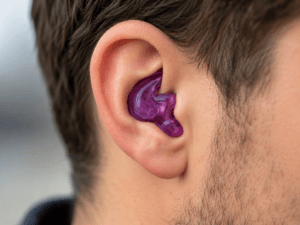
Why musicians need to protect their hearing
For musicians, hearing is not just useful. It’s their SENSE – central to performance, confidence and communication.
Whether you play in a rock band, sing in a choir, perform classical music, work in a theatre pit, DJ at events or mix live sound, your ears are part of your working life.
Repeated exposure to loud sound can increase the risk of hearing loss, tinnitus and listening fatigue. It can also make rehearsals and performances harder to manage over time.
The difficulty is that music is not just “noise”. Musicians need to hear detail, timing, pitch, tone and balance. That is why professional hearing protection matters.
Why ordinary earplugs are not enough for musicians
Many people think hearing protection means blocking the ears as much as possible.
That may be OK for some noisy environments, but it is not ideal for music.
Foam earplugs can reduce sound, but they often make music sound dull, muffled or uneven. For musicians, this can make it harder to hear pitch, blend with other performers or follow what is happening on stage.
Professional musician’s earplugs are different. They are designed to reduce volume while keeping the sound clear and natural.
Instead of simply blocking the ear, they use specialist filters. These filters lower the level of sound reaching the ear while helping to preserve the quality of the music.
In simple terms, they turn the volume down without spoiling the song.
What are bespoke musician’s earplugs?
Bespoke musician’s earplugs are custom-made to fit your ears.
At Fairfield Hearing in Edinburgh, an audiologist can take impressions of your ears and advise on the most suitable type of hearing protection for musicians that will be best for your needs.
This matters because every ear is different. A poor fit can reduce comfort and performance. A well-made custom earplug should sit securely, feel comfortable and provide reliable protection.
Musician’s earplugs can often be supplied with different filter options, depending on the type of music you play, how loud your working environment is and how much reduction you need.
A drummer, violinist, singer, DJ and sound engineer may all need different advice.
Hearing protection musicians… AND for festival audiences
Hearing protection is not just for performers.
If you are going to summer festivals, outdoor concerts or loud indoor gigs, your ears can be exposed to high sound levels for long periods. That is especially true if you stand near speakers or attend several events over a short time.
Filtered earplugs can help reduce the strain on your ears while still allowing you to enjoy the performance.
They are also useful if you already experience tinnitus, sensitivity to sound or temporary ringing after concerts.
If your ears ring after a gig, that is not a badge of honour. It is your ears waving a tiny white flag.
What are in-ear monitors?
In-ear monitors, often called IEMs, are used by many musicians instead of traditional stage monitor speakers.
They allow performers to hear a controlled mix of music directly in the ear. This can help reduce the need for very loud on-stage monitor wedges, which can make the stage sound clearer and more manageable.
However, in-ear monitoring needs to be fitted and managed properly.
If the earpieces are uncomfortable, poorly sealed or not suited to the musician, the benefits can be reduced. Musicians may also be tempted to turn the level up too high if the fit is not right.

Custom ear moulds for in-ear monitoring systems
Fairfield Hearing can support musicians by providing the custom ear moulds needed for in-ear monitoring systems.
The audiological side of the fitting is important. A good ear mould should be comfortable, secure and properly matched to the ear.
Fairfield Hearing works with a range of manufacturers and can advise on the ear mould fitting process, helping musicians get the best from their chosen in-ear monitoring system.
This is particularly useful for musicians who are playing regularly, rehearsing heavily or moving from occasional gigs into more demanding live performance.
Hearing protection for musicians of every type
Hearing protection is relevant to all styles of music.
Rock, pop, jazz, folk, theatre, orchestral and electronic performers can all be exposed to high sound levels. The risk is not limited to one genre.
A classical musician may be sitting close to brass or percussion. A drummer may be exposed to repeated impact sound. A singer may rely on monitors night after night. A DJ may work in loud venues for long sets.
The details differ, but the principle is the same.
If music matters to you, your hearing matters too.
Why choose Fairfield Hearing in Edinburgh for hearing protection and IEMs?
Fairfield Hearing has looked after musicians, performers and people working in live sound for over 30 years.
The team understands that hearing protection is personal. It is not only about measuring sound levels. It is about understanding how you perform, where you rehearse, what you need to hear and what will feel comfortable enough to wear consistently.
That last point is important.
The best hearing protection is the protection you actually use.
Bespoke advice from expert audiologists
At Fairfield Hearing, musicians can talk to an experienced audiologist about:
Custom musician’s earplugs
Filtered hearing protection
Ear impressions and bespoke ear moulds
Custom moulds for in-ear monitoring systems
General hearing health advice
Hearing checks for musicians
Tinnitus or ringing after loud sound exposure
The aim is to help you protect your hearing without losing the detail, clarity and enjoyment of music.
Book hearing protection advice in Edinburgh
If you are a musician in Edinburgh or Central Scotland, summer is a sensible time to review your hearing protection.
You may be preparing for rehearsals, live shows, festivals, studio sessions or theatre work. You may also be a regular concertgoer who wants to enjoy live music without leaving every gig with ringing ears.
Fairfield Hearing can talk you through the options and advise on the most suitable solution for your ears, your music and your lifestyle.
To find out more about bespoke hearing protection and in-ear monitoring support, contact Fairfield Hearing in Edinburgh.
FAQs
1. Why do musicians need hearing protection?
Musicians are often exposed to loud sound during rehearsals, performances and recording sessions. Over time, this can increase the risk of hearing loss, tinnitus and listening fatigue. Hearing protection helps reduce the level of sound reaching the ear. For musicians, the aim is not to block out music completely. The aim is to reduce harmful volume while preserving enough clarity to perform confidently and comfortably.
2. Are musician’s earplugs different from normal earplugs?
Yes. Standard foam earplugs often reduce sound unevenly, which can make music seem muffled or dull. Musician’s earplugs are designed to reduce volume more evenly across frequencies. This helps preserve the quality and balance of the sound. For performers, this can make a real difference because they still need to hear pitch, timing, tone and other musicians around them.
3. What are filtered earplugs?
Filtered earplugs contain specialist acoustic filters. These filters reduce the level of sound entering the ear while helping to keep speech and music clear. They are useful for musicians, singers, DJs, sound engineers and regular concertgoers. Different filter strengths may be available, depending on how much reduction is needed. An audiologist can advise which option is most suitable for your listening environment.
4. What are in-ear monitors used for?
In-ear monitors are used by musicians to hear a personal mix of sound directly in the ear. They can help performers hear vocals, instruments, click tracks or backing tracks more clearly on stage. They may also reduce reliance on loud stage monitor speakers. However, they need to be used responsibly. A good fit and sensible volume levels are important for comfort, clarity and hearing protection.
5. Do in-ear monitors protect hearing?
In-ear monitors can help manage stage sound, but they are not automatically protective. If the volume is set too high, they can still expose the ears to unsafe levels. A good custom fit can improve isolation, meaning the musician may not need to turn the level up as much. Musicians should always seek professional advice on fit, use and safe listening habits.
6. Should concertgoers wear earplugs at festivals?
Yes, it is sensible for regular concertgoers and festival audiences to consider hearing protection. Live music can be loud, especially near speakers or during long festival days. Filtered earplugs can reduce volume while still allowing people to enjoy the music. They may also help reduce ringing, muffled hearing or ear fatigue after an event. This is especially important for people who attend concerts often.
7. Can hearing damage from loud music be reversed?
Noise-related hearing damage can be permanent. That is why prevention is so important. Temporary ringing or muffled hearing after a gig may improve, but repeated exposure can still increase the risk of lasting problems. Musicians and music fans should take early advice if they notice tinnitus, changes in hearing or discomfort after loud sound. Protecting hearing early is far easier than trying to repair damage later.
8. Does Fairfield Hearing provide hearing protection for musicians in Edinburgh?
Yes. Fairfield Hearing provides advice on bespoke hearing protection for musicians in Edinburgh and Central Scotland. This includes custom musician’s earplugs and support with ear moulds for in-ear monitoring systems. The team can advise based on your role, performance setting, rehearsal routine and hearing needs. The aim is to help protect your ears while keeping music clear and enjoyable.
9. Can Fairfield Hearing help with custom moulds for in-ear monitors?
Yes. Fairfield Hearing can provide the audiological support needed for custom ear moulds used with in-ear monitoring systems. This includes taking accurate ear impressions and advising on fit, comfort and suitability. Fairfield works with a range of manufacturers, allowing musicians to use the technology that suits their performance needs while ensuring the ear mould fitting is handled professionally.
10. Why should musicians choose Fairfield Hearing?
Fairfield Hearing has supported local musicians and performers for more than 30 years. As an independent audiology practice in Edinburgh, the team can provide personalised advice rather than a one-size-fits-all product recommendation. Musicians can discuss hearing protection, in-ear monitoring moulds, hearing checks and any concerns about tinnitus or sound exposure. The focus is always on practical, expert care tailored to the individual.
About the author – founder and chief audiologist

Stephen Fairfield BSc (Hons) Audiology – Audiologist, Fairfield Hearing, Edinburgh
Stephen Fairfield is a fully qualified audiologist and founder of Fairfield Hearing in Edinburgh. He provides independent hearing assessments, hearing aid fittings and specialist domiciliary hearing care across Edinburgh and Scotland.
Stephen qualified in clinical audiology from Manchester University in 1989 and has more than 30 years of clinical experience. His approach focuses on careful assessment, clear explanation and practical hearing solutions tailored to each patient’s needs.
Stephen’s professional background includes:
BSc (Hons) in Audiology
Clinical training in diagnostic hearing assessment and hearing aid rehabilitation
Extensive experience in private audiology and domiciliary hearing care
Expertise in modern digital hearing technology and personalised hearing solutions
HCPC registration as a Hearing Aid Dispenser
BAA membership
Former Chair of AIHHP
More than 30 years of Edinburgh audiology practice
Contact Us Today
You may also like...
-
 Tuesday, April 21, 2026
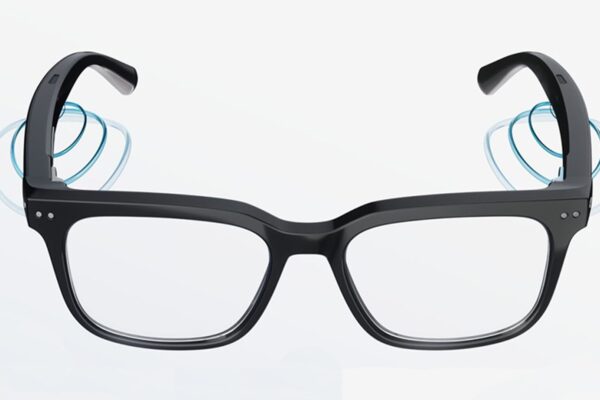
Nuance Audio Glasses: A Stylish Fusion of Vision and Hearing Technology
In recent years, wearable technology has blurred the lines between fashion, vision correction, and health aids.
-
 Tuesday, April 21, 2026
Trouble Hearing in Noisy Places – you are not alone
At Fairfield Hearing we’re dedicated to helping people to hear better. So we were interested in a recent study that investigated the hearing health of adults in Britain.
-
 Wednesday, May 15, 2024
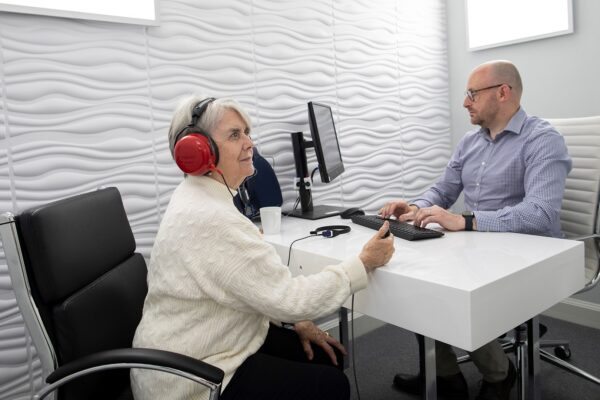
Understanding what to expect during a hearing assessment
In this blog post, we will explore what you can expect during a typical hearing assessment at Fairfield Hearing.