Feeling Uncertain about Hearing Aids?
09 March 2026
Many people feel hesitant about wearing hearing aids. Understanding those concerns, and knowing expert support is available, makes the decision far more comfortable.
About this Article.
It's completely normal to feel unsure about wearing hearing aids. Everyone has their own ideas about what it'll be like and how people will react to wearing 'something in their ears'. At Fairfield Hearing we've helped many hundered of patients learn to wear and to thrive wearing hearing technology.
Unsure about Hearing Aids?
If you feel unsure about hearing aids, you are certainly not alone. It is one of the most common reactions audiologists encounter. Hearing changes can feel deeply personal. New devices may raise questions about comfort, appearance, or whether they will truly help.
These feelings are entirely natural.
At Fairfield Hearing, we see this moment not as a barrier, but as the beginning of a conversation.
Our role is to listen carefully, answer questions honestly, and guide you at a pace that feels right.
“Does needing hearing aids mean something is wrong?”
This concern often sits quietly beneath the surface. Hearing loss is simply a health change, much like needing glasses. It affects people of all ages and happens for many reasons, including noise exposure, genetics, and natural sensory changes. Hearing aids are not a sign of failure. They are practical tools that help you stay connected, engaged, and confident in everyday life.
“Will people notice them?”
Understandably, many first-time users worry about visibility. Modern hearing aids are remarkably discreet. Designs are smaller, lighter, and carefully shaped for comfort. Most sit subtly behind the ear or nestle within the ear canal. Interestingly, patients often report that others notice improved communication long before they notice any device.
“What if they don’t sound right?”
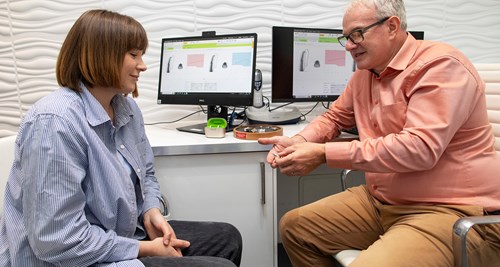
Another very common question. Hearing aids are not generic amplifiers. They are programmed precisely by a qualified audiologist using clinical-grade equipment. Settings are tailored to your hearing profile, then refined through aftercare.
Clinical reassurance
When fitted professionally, hearing aids are carefully calibrated and gradually adjusted. This ensures sound feels balanced, comfortable, and natural as your brain adapts. You are never expected to simply “get used to it.”
“I’ve heard mixed stories about hearing aids”
Many people arrive at Fairfield Hearing with second-hand impressions shaped by outdated technology. Hearing devices have advanced dramatically. Speech clarity, noise management, rechargeability, and wireless connectivity are vastly improved. Just as importantly, fitting methods and clinical protocols have evolved. Outcomes today are typically very different from those remembered years ago.
Support makes all the difference
For many Fairfield Hearing patients, confidence grows through understanding and gentle experience. A hearing assessment provides clarity. A consultation allows you to discuss options openly. Demonstrations offer a real sense of how devices feel and sound.
Most importantly, Fairfield Hearing’s experienced and friendly audiology team remains alongside you throughout the process.
We are here to help at every step
.
Hearing care without pressure
Choosing hearing aids should never feel rushed or uncomfortable. Fairfield Hearing appointments are designed to feel calm, informative, and supportive. Questions are welcomed. Concerns are respected. Decisions are always yours. Our focus is long-term hearing success.
Speaking with Fairfield Hearing’s Edinburgh-based experts
If you have questions or simply want clear, professional advice, a conversation with a qualified audiologist can be surprisingly reassuring.
To arrange a hearing assessment or consultation, get in touch:
Tel. 0131 378 5800
Email: hello@earsure.health
Frequently Asked Questions
Is it normal to feel unsure about hearing aids?
Yes. Many people feel hesitant at first. Concerns about comfort, appearance, or effectiveness are common and completely understandable.
Are modern hearing aids comfortable?
Yes. Devices are selected and fitted based on comfort, ear anatomy, and lifestyle needs. Adjustments ensure a secure and natural fit.
How long does it take to adapt?
Adaptation varies, but most patients adjust gradually over several weeks. Ongoing aftercare helps refine settings as listening comfort develops.
Will hearing aids restore hearing completely?
Hearing aids improve clarity and audibility but do not cure hearing loss. They are designed to optimise communication and listening ease.
What helps people feel confident?
Clear explanations, realistic expectations, and supportive aftercare from an experienced audiologist make a significant difference.
About the Author
Stephen Fairfield M.A. (Psychology), M.Sc. (Clinical Audiology)
Audiologist and Founder of Fairfield Hearing, Edinburgh
Stephen Fairfield is a fully qualified audiologist providing hearing assessments, hearing aid fittings, and ongoing aftercare for patients across Edinburgh and Scotland. His clinical background in psychology and audiology informs a patient-centred approach focused on accurate diagnosis, careful device selection, and clear explanation.
He established Fairfield Hearing to deliver unhurried, clinically led hearing care in both practice and home settings. His work emphasises evidence-based assessment, calibrated audiology equipment, and personalised solutions tailored to individual hearing needs, communication challenges, and lifestyle factors.