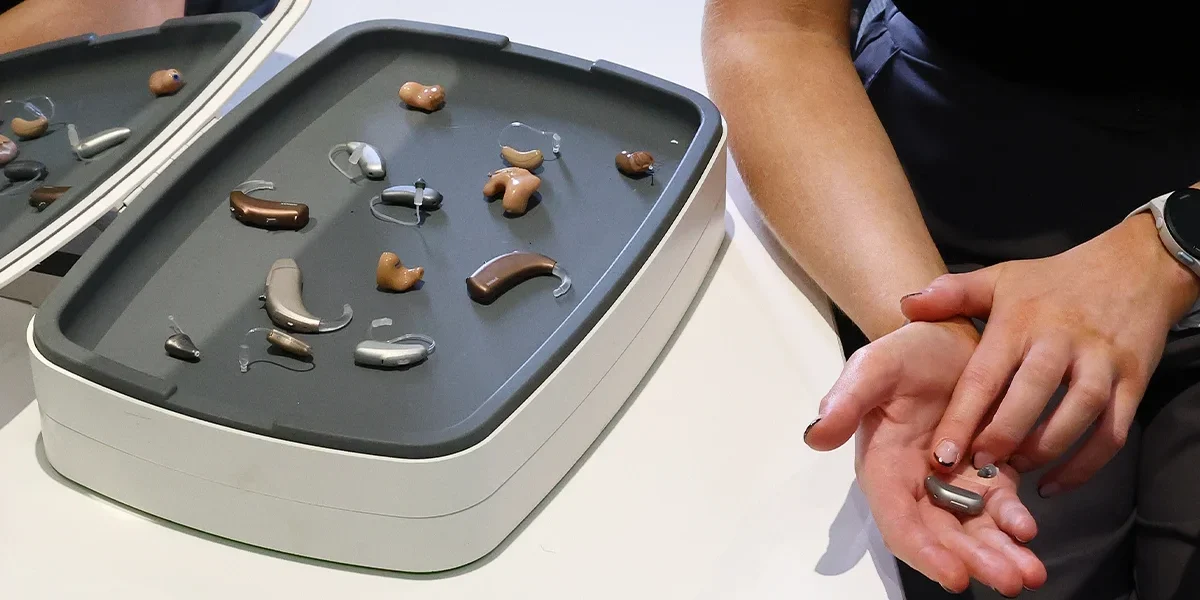
Hearing technology and hearing aids have changed dramatically in recent years. Modern devices are smaller, clearer, smarter, and more comfortable than ever before. Rechargeable technology has simplified day-to-day use, and advanced sound processing can now help patients hear better in busy restaurants, family gatherings, and difficult listening environments.
Yet despite these advances, technology alone does not guarantee success.
At Fairfield Hearing in Edinburgh, one of the most important lessons learned over many years of clinical practice is that people matter just as much as the hearing aids themselves. The quality of care, the time taken to listen, and the trust built between patient and audiologist often make the greatest difference to long-term outcomes.
The emotional side of changing hearing
Hearing loss is rarely just about volume. Many patients describe frustration, embarrassment, fatigue, or withdrawal from social situations long before they seek help.
Some begin avoiding restaurants because conversations become exhausting. Others quietly stop joining in family discussions because they are worried about mishearing words or asking people to repeat themselves.
These experiences can gradually affect confidence and wellbeing.
That is why hearing care should never feel rushed or transactional. Patients need time to explain what they are experiencing and what situations they are struggling with most. Often, simply feeling heard and understood is an important first step.
Why relationships matter in audiology
A hearing assessment is not simply a test followed by a product recommendation.
Good audiology involves understanding how hearing loss affects somebody’s daily life, relationships, work, hobbies, and confidence. Two patients with very similar hearing test results may require completely different solutions depending on their lifestyle and personal concerns.
At Fairfield Hearing, appointments are designed to be calm, thorough, and personal. The focus is not simply on fitting hearing aids, but on helping patients feel comfortable and supported throughout the process.
Many patients say they value having continuity of care and knowing they can contact the same audiologist if they need advice or reassurance later on.
The importance of time and patience
One of the biggest frustrations patients sometimes experience elsewhere is feeling hurried.
Adjusting to hearing aids can take time. The brain needs an opportunity to re-familiarise itself with sounds that may have been missing for years. Some patients adapt quickly. Others need more gradual adjustments and ongoing support.
This is completely normal.
Successful hearing care often depends on careful counselling, realistic expectations, and follow-up support. Small changes in hearing aid settings can make a significant difference, but these adjustments require conversation, feedback, and patience.
That is why Fairfield Hearing places strong emphasis on aftercare and open access support.
Modern hearing aids are excellent, but they are not magic
Today’s hearing aids are extremely sophisticated. Features such as directional microphones, speech enhancement, Bluetooth connectivity, and rechargeable batteries have transformed what hearing devices can achieve.
However, hearing aids do not restore hearing in the same way glasses restore sight. They are designed to improve clarity, comfort, and listening ability, but success still relies heavily on expert fitting, accurate programming, and realistic guidance from an experienced audiologist.
Patients who understand this process from the beginning are often far happier with their long-term results.
Why trust matters when choosing an audiologist
For many people, seeking help for hearing loss is a significant step. Trust is therefore incredibly important.
Patients need confidence that recommendations are based on clinical need rather than sales targets. They want honest advice, clear explanations, and reassurance that support will continue after the appointment itself.
As an independent family-focused practice, Fairfield Hearing has built much of its reputation through personal recommendation and long-term patient relationships. Many patients value the quieter, more individual approach compared with larger retail environments.
Better hearing can improve quality of life
When hearing improves, the benefits often extend far beyond conversations.
Patients frequently describe feeling more relaxed socially, less tired at the end of the day, and more connected to family life again. Television becomes easier to follow. Phone calls become clearer. Everyday interactions feel less stressful.
While technology plays an important role in these improvements, the human side of hearing care remains equally important.
The best outcomes usually happen when excellent technology is combined with careful listening, expert guidance, and genuine ongoing support.
Frequently Asked Questions
Why is professional hearing care important when choosing hearing aids?
Professional hearing care ensures that hearing aids are selected, programmed, and adjusted correctly for your individual hearing loss and lifestyle. An experienced audiologist can also provide counselling, follow-up support, and fine-tuning, which are essential for achieving the best long-term results.
Do hearing aids work better with regular follow-up appointments?
Yes. Follow-up appointments allow hearing aids to be adjusted as you adapt to them. Small programming changes can significantly improve speech clarity and comfort. Ongoing support also helps patients feel more confident using their hearing aids in different listening environments.
Can hearing loss affect confidence and mental wellbeing?
It can. Untreated hearing loss may lead to frustration, listening fatigue, reduced social confidence, and withdrawal from conversations or activities. Many patients report improved confidence and communication once their hearing is properly assessed and managed.
Are modern rechargeable hearing aids easier to use?
For many patients, absolutely. Rechargeable hearing aids remove the need to change small batteries and are often easier to handle and maintain. They also provide advanced sound processing and Bluetooth features while remaining discreet and comfortable.
How do I know if I need a hearing test?
Common signs include difficulty following conversations, turning up the television volume, struggling in background noise, or feeling that people are mumbling. A professional hearing assessment can identify hearing loss early and help determine whether hearing aids or other treatment would be beneficial.
About the Author
Stephen Fairfield MSc, M.Aud (Clinical Audiology), M.A. (Psychology)
Consultant Audiologist and Founder of Fairfield Hearing
Stephen Fairfield is a highly experienced audiologist with qualifications in psychology and clinical audiology. He has helped patients across Edinburgh and Scotland improve their hearing through personalised, evidence-based care and long-term support. Stephen believes successful hearing care depends not only on excellent technology, but also on understanding each patient’s individual lifestyle, communication needs, and confidence.
Fairfield Hearing provides independent hearing assessments, hearing aid fittings, microsuction ear wax removal, hearing protection, and specialist home visit audiology services across Edinburgh and Scotland.
Last reviewed and updated: May 2026
You may also like...
-
 Tuesday, April 21, 2026
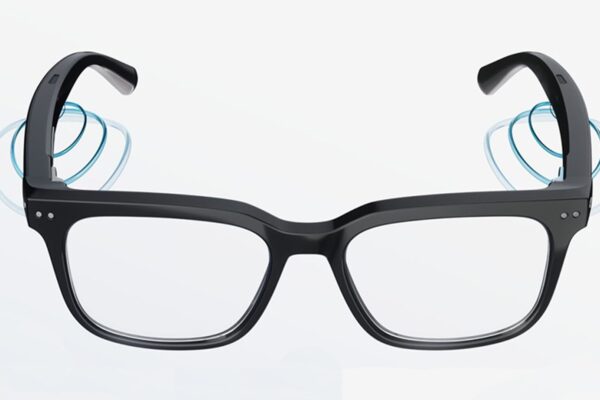
Nuance Audio Glasses: A Stylish Fusion of Vision and Hearing Technology
In recent years, wearable technology has blurred the lines between fashion, vision correction, and health aids.
-
 Monday, March 2, 2026
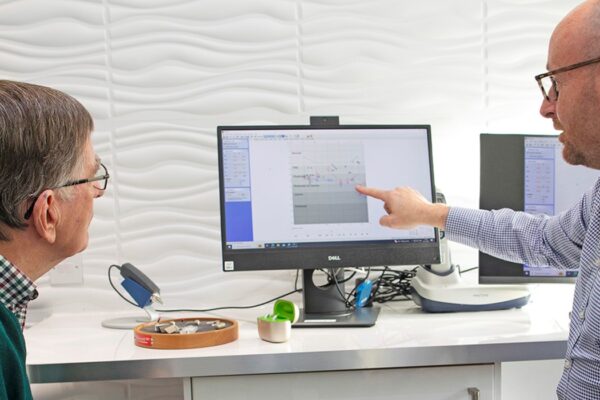
Hearing Assessments in Edinburgh & at Home
Fairfield Hearing offers clinically accurate hearing assessments at its Edinburgh practices or through a convenient at-home service, ensuring expert care that fits patient preference.
-
 Wednesday, June 17, 2026
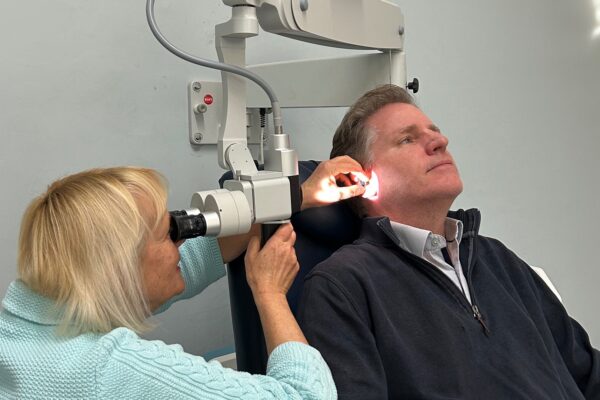
Ear Wax Removal by Microsuction in Edinburgh
Fast, Safe, Professional Service
Summary:
For anyone with blocked ears, safe professional micr...