Why Personal Care Matters in Hearing Healthcare
07 May 2026
Successful hearing care is not simply about supplying technology. It's about understanding people.
Author: Stephen Fairfield, Founder and Audiologist at Fairfield Hearing, Edinburgh
Why Personal Care Still Matters in Modern Hearing Healthcare
Hearing technology matters, but people matter too
Modern hearing aids are remarkable pieces of technology. They are smaller, smarter, and more adaptable than ever before. Many can automatically adjust to different environments, stream calls and music, and improve speech clarity in difficult listening situations.
However, successful hearing care is not simply about supplying technology. It is about understanding people.
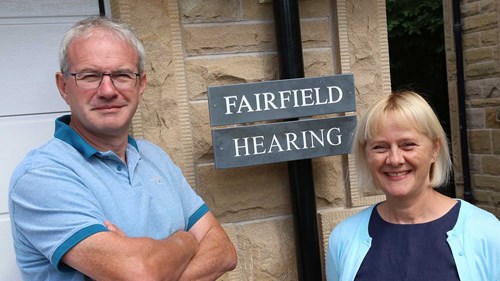
At Fairfield Hearing, we believe the relationship between audiologist and patient plays a major role in achieving the best possible hearing outcomes. Hearing aids are not simply products taken home in a box. For many people, they represent a significant life change that requires guidance, reassurance, adjustment, and ongoing support.
As a longstanding family practice in Edinburgh, our approach has always centred around dedicated patient care and continuity of support.
To speak with an experienced audiologist or arrange an appointment with Fairfield Hearing:
Phone: 0131 378 5800
Email: hello@earsure.health
Your questions answered: why people still really matter in hearing healthcare
(Click on the question)
- Why is personal care important when fitting hearing aids?
- Why do hearing aids need fine-tuning?
- What should patients expect when they first start wearing hearing aids?
- Why do some people struggle to adapt to hearing aids?
- How does ongoing support improve hearing aid results?
- Why does continuity of care matter in audiology?
- What makes an independent family hearing practice different?
- Can realistic expectations improve hearing aid satisfaction?
- Why is listening important in hearing healthcare?
- How does Fairfield Hearing support patients over time?
- Frequently asked questions
- About the audiologist
Our guide explains why hearing healthcare is about far more than technology alone, and how experienced, patient-focused audiologists can help people adapt successfully to hearing aids over time.
Why is personal care important when fitting hearing aids?
Hearing aids can improve quality of life enormously, but they are not an instant or identical experience for every person. People arrive with different lifestyles, hearing histories, expectations, and concerns.
Some patients are excited to begin wearing hearing aids. Others may feel anxious, uncertain, or overwhelmed. Many have spent years gradually adapting to reduced hearing without fully realising how much sound they have been missing.
This is why personal care matters. A good audiologist does more than programme hearing aids. They listen carefully, explain clearly, and guide patients through the process at a pace that feels manageable and realistic.
Why do hearing aids need fine-tuning?
Modern hearing aids are highly advanced, but hearing care is never entirely “one size fits all”. Even the best devices often require adjustment after everyday use begins.
Real-world listening environments vary enormously. A patient may hear well in quiet conversation but struggle in restaurants, family gatherings, or busy streets. Others may initially find everyday sounds unexpectedly sharp or tiring after years of hearing loss.
Fine-tuning allows hearing aids to be adjusted based on real patient feedback. Small changes in amplification, speech clarity, noise management, and comfort can make a substantial difference over time.
At Fairfield Hearing, we encourage ongoing dialogue with patients so hearing aids can continue to be refined as listening needs evolve.
What should patients expect when they first start wearing hearing aids?
Many people expect hearing aids to restore hearing instantly to how it once was. While hearing technology can deliver excellent improvements, adapting to amplified sound takes time.
Patients often begin noticing sounds they have not heard clearly for years, such as footsteps, rustling paper, traffic noise, or kitchen appliances. For some people, this adjustment period can feel surprising at first.
Part of the audiologist’s role is to help patients understand what is normal during adaptation and what can be improved through follow-up care and fine-tuning.
Clear expectations and reassurance are often just as important as the hearing aids themselves.
Why do some people struggle to adapt to hearing aids?
Hearing loss develops gradually for many people. The brain adapts slowly to reduced sound input over time. When hearing aids are introduced, the brain needs time to readjust to hearing a fuller range of sound again.
This process varies between individuals. Some adapt very quickly. Others need more support and encouragement.
Factors that may influence adaptation include:
- Length of hearing loss
- Listening environments
- Confidence with technology
- Comfort of the hearing aids
- Realistic expectations
- Ongoing support and follow-up care
Patients often benefit from having an audiologist who takes time to listen carefully and respond thoughtfully to concerns as they arise.
How does ongoing support improve hearing aid results?
Ongoing support allows hearing care to evolve alongside the patient’s real experiences. Follow-up appointments provide opportunities to review progress, answer questions, make adjustments, and build confidence.
Without this support, some patients may stop wearing hearing aids prematurely or assume difficulties cannot be improved.
At Fairfield Hearing, hearing care is viewed as an ongoing relationship rather than a single appointment. Many of our patients have remained with the practice for many years because they value continuity, familiarity, and long-term support.
Why does continuity of care matter in audiology?
Continuity of care helps build trust and understanding over time. An audiologist who knows a patient’s hearing history, lifestyle, and preferences can often make more informed recommendations and adjustments.
This consistency can also make appointments feel less stressful and more productive. Patients do not need to repeat their story at every visit or feel rushed through a tightly timed appointment structure.
As an independent family practice, Fairfield Hearing believes continuity and personal connection remain central to high-quality hearing care.
What makes an independent family hearing practice different?
Independent practices often have greater flexibility to spend time with patients and tailor care around individual needs rather than strict commercial targets.
At Fairfield Hearing, appointments are designed to be thorough, calm, and patient-focused. We believe hearing healthcare works best when patients feel comfortable asking questions and discussing their experiences openly.
Many of our patients comment on the welcoming and friendly atmosphere within the practice. This is reflected in the large number of five-star Google reviews describing the practice as approachable, caring, and supportive.
Technology remains extremely important, but people remain at the centre of everything we do.
Can realistic expectations improve hearing aid satisfaction?
Yes. Realistic expectations are strongly linked to successful hearing aid use and long-term satisfaction.
Hearing aids can significantly improve communication and listening ability, but they do not remove all background sound or recreate perfect natural hearing in every environment.
Patients who understand the adaptation process and feel supported throughout it are often more confident and successful with their hearing aids over time.
Why is listening important in hearing healthcare?
Listening is one of the most important parts of audiology.
Patients need time to explain what they are experiencing, what situations they find difficult, and how hearing loss affects daily life. Careful listening allows audiologists to make better recommendations and more meaningful adjustments.
At Fairfield Hearing, we believe hearing healthcare should feel personal, collaborative, and supportive from the very first appointment onwards.
How does Fairfield Hearing support patients over time?
Fairfield Hearing provides long-term hearing care built around continuity, accessibility, and personal attention.
Support may include:
- Hearing assessments
- Hearing aid fittings
- Follow-up fine-tuning
- Advice about realistic expectations
- Ongoing hearing aid adjustments
- Support adapting to new technology
- Long-term monitoring of hearing changes
We understand that hearing care is a journey, not a transaction.
To arrange an appointment or speak with an audiologist, contact Fairfield Hearing:
Phone: 0131 378 5800
Email: hello@earsure.health
Frequently asked questions
These answers provide general information and do not replace personalised clinical advice.
Do hearing aids usually need adjusting after fitting?
Yes. Hearing aids often benefit from follow-up fine-tuning once patients begin using them in everyday situations. Small adjustments can improve comfort, clarity, and listening confidence.
How long does it take to adapt to hearing aids?
Adaptation varies between individuals. Some people adjust within days, while others may take several weeks or months to feel fully comfortable with amplified sound.
Why are follow-up appointments important?
Follow-up appointments allow audiologists to assess progress, answer questions, and refine hearing aid settings based on real-world experiences.
Can hearing aids work differently in different environments?
Yes. Hearing aids may perform differently in quiet rooms, restaurants, outdoor spaces, or busy social situations. Fine-tuning helps optimise performance across these environments.
What makes independent audiology practices different?
Independent practices can often provide more personalised care, longer appointments, continuity of support, and ongoing relationships with patients over time.
About the author and our chief audiologist
Stephen Fairfield BSc (Hons) Audiology – Audiologist, Fairfield Hearing (Edinburgh)
Stephen Fairfield is a fully qualified audiologist and founder of Fairfield Hearing in Edinburgh. He provides independent hearing assessments, hearing aid fittings, and specialist domiciliary (home visit) audiology services across Edinburgh and Scotland.
His clinical approach focuses on careful assessment, clear explanation, and practical hearing solutions tailored to individual listening needs. All assessments are carried out personally by Stephen to ensure continuity of care, clinical accuracy, and professional accountability.
- BSc (Hons) in Audiology
- Clinical training in diagnostic hearing assessment and hearing aid rehabilitation
- Extensive experience providing domiciliary (home visit) hearing care
- Expertise in modern digital hearing aid programming and rechargeable hearing aid technology
- Patient-focused appointments with time for questions and clear next steps
Last reviewed and updated: May 2026